
Hover 1 Scooter Manual: A Comprehensive Guide
This manual provides essential guidance for Hover 1 scooter owners, covering assembly, operation, maintenance, troubleshooting, and warranty details for optimal performance.
Welcome to the world of Hover 1 scooters! These innovative personal transportation devices are designed for fun, convenience, and efficient short-distance travel. Hover 1 offers a diverse range of models, from classic hoverboards to electric scooters like the HIGHLANDER and Alpha, catering to various rider preferences and needs.
This manual serves as your comprehensive guide to understanding and safely operating your Hover 1 scooter. Whether you’re a first-time rider or an experienced enthusiast, this document will provide crucial information regarding assembly, charging, riding techniques, and essential maintenance procedures. Properly utilizing this manual ensures a smooth, enjoyable, and secure riding experience. Remember to visit hover-1.com for parts and support.
Understanding Your Hover 1 Model
Hover 1 scooters come in various configurations, including traditional self-balancing scooters and electric scooters like the Xiaomi Scooter 3 Lite and the Hover1 HIGHLANDER. Each model possesses unique features and specifications. Before operation, familiarize yourself with your specific scooter’s components, weight capacity, and speed limitations.
Refer to the product packaging and included documentation to identify your exact model number. Understanding the differences – such as battery capacity, motor wattage (e.g., 250W), and riding modes – is crucial for safe and optimal performance. Replacement parts, including batteries, are available at hover-1.com, dependent on your model. Knowing your scooter ensures responsible riding.

Safety Precautions Before Riding
Prioritize safety before each ride. Always wear a helmet and consider additional protective gear like knee and elbow pads. Inspect your scooter for any damage, ensuring all components are securely fastened. Be aware of your surroundings and local traffic laws.
Ride in well-lit, open areas, avoiding crowded spaces and uneven surfaces. Never operate the scooter under the influence of drugs or alcohol. Familiarize yourself with the braking system and practice emergency stops. Ensure the battery is properly charged and the tires are inflated. Responsible riding minimizes risks and maximizes enjoyment. Remember to check for anti-theft features!
Component Overview
Your Hover 1 scooter comprises several key components. The handlebars and controls manage steering, acceleration, and braking. The robust deck and footplate provide a stable riding platform. High-quality wheels and tires ensure a smooth ride, while the integrated battery and charging port power the scooter and facilitate recharging.
Understanding each component’s function is crucial for safe operation and maintenance. Accessory attachments, like seat options, enhance usability. Regular inspection of these parts, particularly tires and the battery, is vital. Refer to the detailed diagrams for precise locations and functionalities of each element within your specific Hover 1 model.
Handlebars and Controls
The handlebars govern steering and feature integrated controls for a seamless riding experience. Typically, a throttle controls acceleration, often thumb-operated or twist-grip. Braking is usually managed via hand levers, activating rear or front brakes – or both. Some models may include digital displays showing speed, battery level, and riding mode.
Ensure handlebars are securely fastened before each ride. Familiarize yourself with the control layout for quick reactions. Avoid modifications that could compromise control functionality. Regularly inspect brake levers for responsiveness and cable integrity. Proper handlebar adjustment contributes significantly to rider comfort and safety.
Deck and Footplate
The deck and footplate are the rider’s standing platform, crucial for balance and control. Constructed from durable materials, they provide a stable surface during operation. Non-slip surfaces enhance grip, particularly in wet conditions. Inspect the deck regularly for cracks or damage, as structural integrity is paramount for safety.
Maintain a centered stance on the footplate while riding. Avoid overloading the deck beyond the specified weight capacity. Keep the area clear of obstructions like debris or water. Proper foot placement contributes to stability and maneuverability. Regularly cleaning the deck ensures optimal grip and prevents potential hazards.
Wheels and Tires
The wheels and tires are fundamental to the scooter’s movement and ride quality. Hover 1 scooters typically feature solid or air-filled tires, each offering distinct advantages. Solid tires require no inflation but can provide a firmer ride. Air-filled tires offer better shock absorption but necessitate regular pressure checks.
Inspect tires for wear and tear, including cuts, bulges, or uneven tread. Maintain proper tire pressure (if applicable) for optimal performance and efficiency. Regularly check wheel alignment and bearing functionality. Damaged wheels or tires compromise safety and handling. Replacement tires are available through Hover-1.com, ensuring compatibility with your specific model.
Battery and Charging Port
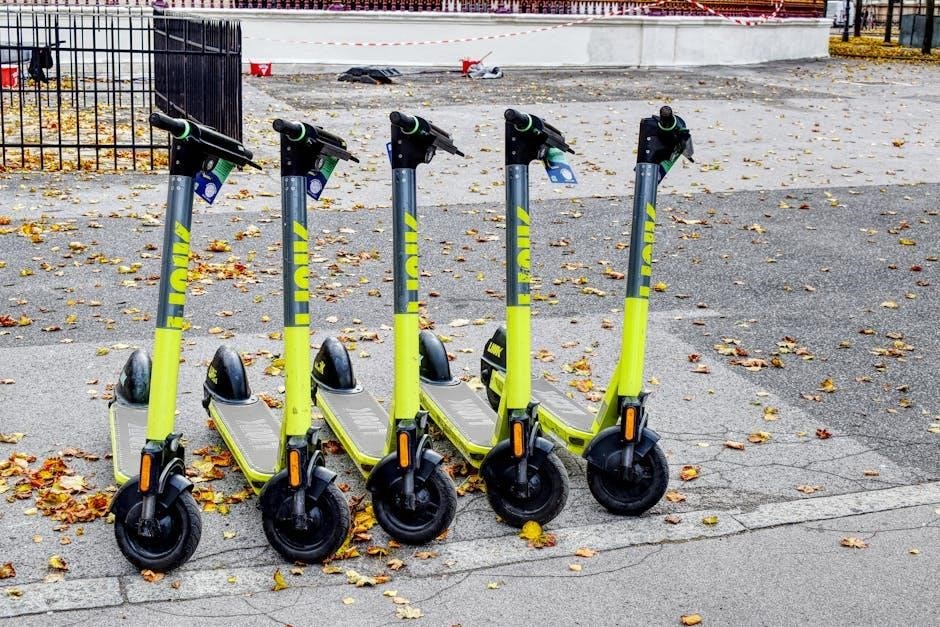
The battery powers your Hover 1 scooter, and the charging port facilitates its replenishment. Understanding the battery’s specifications – voltage and capacity – is crucial. Always use the provided charger to avoid damage. Locate the charging port, typically covered for protection, and ensure it’s clean and dry before connecting.
Avoid overcharging; disconnect once complete. Battery performance degrades over time, and replacements are available at Hover-1.com, specific to your model. Proper battery storage, away from extreme temperatures, extends its lifespan. Never attempt to disassemble or modify the battery pack. A faulty battery can pose a safety risk.
Assembly Instructions
Before your first ride, proper assembly is essential for safety and performance. Carefully unpack all components and verify everything listed in the parts list is present. Typically, assembly involves attaching the handlebars to the scooter’s stem, securing them tightly with the provided bolts. Ensure the handlebars are aligned correctly for comfortable steering.
Some models may require attaching reflectors or other accessories. Double-check all connections are secure before riding. If you encounter any difficulties, refer to the detailed diagrams included in this manual or visit Hover-1.com for assistance. A properly assembled scooter ensures a smooth and safe riding experience.
Charging the Battery
Maintaining your Hover 1 scooter’s battery is crucial for optimal range and longevity. Always use the provided charger to avoid damage. Locate the charging port, typically near the deck, and connect the charger securely. Initial charging may take several hours – refer to the ‘Charging Indicators’ section for status updates.
Avoid overcharging; disconnect the charger once the indicator light signals completion. For extended storage, partially charge the battery and store it in a cool, dry place. Regularly check the battery’s condition and replace it via Hover-1.com if performance declines significantly. Proper charging habits extend battery life.
Initial Charging Procedure

Before your first ride, fully charge the Hover 1 scooter battery. Connect the provided charger to the scooter’s charging port and a standard wall outlet. The initial charge cycle can take up to several hours, potentially longer than subsequent charges. Monitor the charging indicator light – it will typically change color to signify completion.
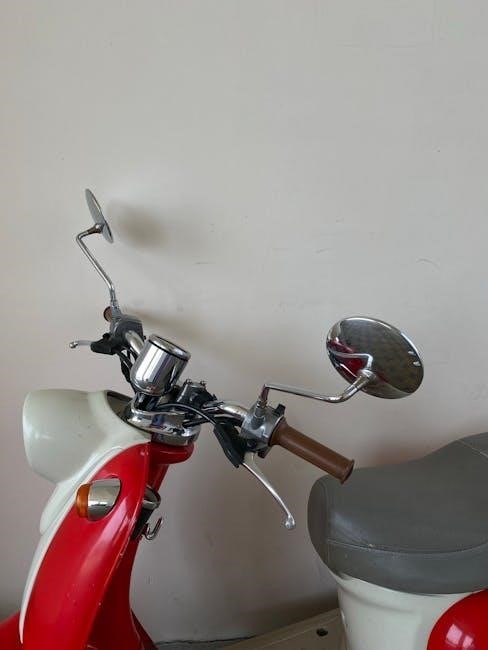
Do not interrupt the initial charging process. A full charge ensures optimal battery performance and accurate range estimations. It’s recommended to complete this initial charge even if the scooter displays some power. This establishes a healthy baseline for future charging cycles and maximizes battery lifespan.
Charging Indicators
Hover 1 scooters utilize LED indicators to communicate the charging status. Typically, a red light signifies that the scooter is currently charging. Once fully charged, the indicator light will usually turn green, or may switch off entirely, depending on the specific model. Some models may feature a pulsating light during the charging process.

Refer to your scooter’s specific model documentation for precise indicator meanings, as variations exist. If the indicator doesn’t illuminate when connected to a power source, check the connection and outlet. A flashing red light could indicate an error; consult the troubleshooting section of this manual.
Battery Maintenance
Proper battery care is crucial for maximizing the lifespan and performance of your Hover 1 scooter. Avoid completely draining the battery before recharging, as this can reduce its capacity over time. Store the scooter in a cool, dry place, away from direct sunlight and extreme temperatures.
If storing for extended periods, charge the battery to approximately 50-70% capacity. Regularly check for any signs of damage, such as swelling or leakage. For battery replacement, always visit Hover-1.com to ensure compatibility with your specific model. Disposing of batteries should follow local regulations.
Operation and Riding
Before each ride, ensure the scooter is fully charged and all components are securely fastened. To power on, typically a single press of the power button is required. Acceleration is controlled by the throttle, while braking utilizes the designated brake lever or pedal. Familiarize yourself with the scooter’s controls in a safe, open area.
Some Hover 1 models feature riding modes, allowing you to adjust speed and responsiveness. Always prioritize safety by wearing appropriate protective gear, including a helmet. Be mindful of your surroundings and adhere to local traffic laws. Enjoy the ride responsibly!
Powering On/Off

To initiate operation, locate the power button, usually situated near the handlebars or battery compartment. A single, firm press typically activates the scooter, indicated by illuminated lights or a display screen. Ensure your feet are positioned on the deck before applying throttle.
To power down, press and hold the power button for a few seconds until the scooter completely shuts off. Never attempt to turn off the scooter while in motion. Always confirm the scooter is fully powered off before storing or transporting it. This prevents accidental activation and conserves battery life.
Acceleration and Braking
Acceleration is controlled via a throttle, typically a thumb lever or twist-grip on the handlebars. Gently apply pressure to increase speed; avoid sudden bursts. Familiarize yourself with the throttle’s responsiveness in a safe, open area. Maintain a stable stance and anticipate your movements.
Braking is usually achieved through hand-operated levers, activating either a mechanical or electronic brake system. Apply brakes smoothly and progressively to avoid skidding. Utilize both brakes simultaneously for optimal stopping power. Be mindful of road conditions and adjust braking accordingly. Always practice safe braking techniques.
Riding Modes (if applicable)
Some Hover 1 scooters feature multiple riding modes, such as Eco, Drive, and Sport, selectable via the control panel. Eco mode limits speed and optimizes battery life for extended range, ideal for casual cruising. Drive mode offers a balance between speed and efficiency for everyday use.
Sport mode unlocks the scooter’s full speed potential, providing maximum performance but reducing battery range. Always select a mode appropriate for your skill level and riding environment. Be aware of local regulations regarding scooter speed limits. Transition between modes smoothly and cautiously, adjusting your riding style accordingly.
Maintenance and Care
Regular maintenance ensures your Hover 1 scooter’s longevity and safe operation. Periodically inspect all components for wear and tear, including tires, brakes, and the steering mechanism. Keep the scooter clean using a damp cloth; avoid harsh chemicals or direct water exposure.

Proper tire inflation is crucial for optimal performance and range. Check tire pressure regularly and inflate to the recommended PSI (printed on the tire sidewall). Store the scooter in a cool, dry place when not in use, protecting the battery from extreme temperatures. Following these simple steps will keep your scooter running smoothly.
Cleaning Your Scooter
Maintaining a clean scooter is vital for both aesthetics and functionality. Regularly wipe down the deck, handlebars, and frame with a soft, damp cloth to remove dirt and debris. Avoid using high-pressure water jets, as they can damage electrical components.
For stubborn stains, a mild soap solution can be used, but ensure it’s thoroughly rinsed and the scooter is completely dry before use. Never submerge the scooter in water. Pay attention to the charging port and battery compartment, keeping them free from moisture. Consistent cleaning extends the scooter’s lifespan and ensures safe operation.
Tire Inflation
Proper tire inflation is crucial for a smooth and safe riding experience. Check tire pressure regularly – ideally before each ride – using a reliable pressure gauge. Refer to the tire sidewall for the recommended PSI (pounds per square inch); Under-inflated tires can lead to reduced range, increased rolling resistance, and potential damage to the wheel rims.
Over-inflated tires can result in a harsh ride and decreased traction. Use a bicycle pump with a compatible nozzle to inflate the tires. Ensure the valve is securely sealed during inflation. Regularly inspect tires for wear and tear, and replace them when necessary to maintain optimal performance and safety.

Battery Storage
Proper battery storage is essential for maximizing its lifespan and maintaining optimal performance. If storing your Hover 1 scooter for an extended period (over a month), charge the battery to approximately 50-60% capacity. Avoid storing the scooter with a fully charged or completely depleted battery.
Store the scooter in a cool, dry place, away from direct sunlight and extreme temperatures. Disconnect the charger once the battery is fully charged. Periodically check the battery level during storage and recharge if it falls below 50%. Following these guidelines will help preserve battery health and ensure it’s ready when you are.
Troubleshooting Common Issues
Encountering issues with your Hover 1 scooter? This section addresses frequent problems. If the scooter won’t power on, ensure the battery is charged and the power button is firmly pressed. For charging issues, verify the charger is correctly connected to both the scooter and a functioning outlet.
Motor problems may indicate a loose connection or a more serious internal fault. If issues persist, consult the Hover-1.com website for parts and support. Remember, attempting repairs yourself could void the warranty. Always prioritize safety and seek professional assistance when needed.
Scooter Won’t Power On
If your Hover 1 scooter fails to power on, begin with the simplest checks. First, confirm the battery has sufficient charge by connecting the charger and observing the charging indicator. Ensure the power button is pressed and held firmly for a few seconds. A loose connection between the battery and the control system can also be the culprit.
Inspect all wiring for any visible damage or disconnections. If the problem persists, visit Hover-1.com for potential battery or component replacements. Do not attempt to disassemble the scooter beyond basic checks, as this could void your warranty and pose a safety risk.
Battery Not Charging
If your Hover 1 scooter’s battery isn’t charging, first verify the charger is securely plugged into both the scooter and a functioning wall outlet. Check the charging indicator light; it should illuminate to signal charging is in progress. A faulty charger is a common issue – consider testing with a known working charger if possible.
Inspect the charging port on the scooter for any debris or damage. If the indicator doesn’t light, the battery itself might be defective and require replacement via Hover-1.com. Avoid using third-party chargers, as they may damage the battery or scooter.
Motor Issues
Experiencing motor problems with your Hover 1 scooter? First, ensure the battery is fully charged and properly connected. If the scooter powers on but doesn’t move, or exhibits unusual noises, the motor itself may be malfunctioning. Check for any obstructions around the wheel or motor housing that could be hindering movement.

Loose wiring or a damaged motor controller can also cause issues. Do not attempt to disassemble or repair the motor yourself; this could void your warranty and pose a safety risk. Contact Hover 1 support for assistance and potential repair or replacement options, referencing your scooter’s model number.
Replacing Parts
Maintaining your Hover 1 scooter often requires replacing worn components. For battery replacements, visit Hover-1.com to find the correct battery specifically designed for your scooter model – compatibility is crucial! Tire replacements are straightforward; ensure you purchase tires with the correct size and specifications.
Always prioritize safety when replacing parts. Disconnect the battery before undertaking any repairs. If you’re uncomfortable performing replacements yourself, contact Hover 1 support or a qualified technician. Using non-genuine parts can compromise performance and safety, potentially voiding your warranty. Refer to online resources and videos for guidance.
Battery Replacement (Hover-1.com)
Replacing your Hover 1 scooter’s battery is best done with a genuine replacement from Hover-1.com. Batteries are model-specific, so identifying your scooter’s exact model number is critical for compatibility. Always disconnect the old battery before removal, and handle lithium-ion batteries with care – they require proper disposal.
Hover-1.com offers a range of batteries and provides guidance to help you select the correct one. Follow the instructions provided with the new battery carefully during installation. Incorrect installation can damage the scooter or the battery itself. If unsure, contact Hover 1 support for assistance to ensure a safe and functional replacement.
Tire Replacement
Replacing a flat or worn tire on your Hover 1 scooter requires basic tools and careful attention. First, deflate the tire completely. Then, use tire levers to carefully remove one side of the tire from the wheel rim. Once one side is off, you can typically remove the inner tube.
Inspect the tire for any punctures or debris before installing a new inner tube. Lightly inflate the new tube and place it inside the tire, ensuring it’s seated correctly. Carefully work the tire back onto the rim, using tire levers if needed. Finally, inflate the tire to the recommended pressure (found on the tire sidewall) and check for proper seating.
Warranty Information
Hover 1 scooters are covered by a limited warranty against defects in materials and workmanship. The warranty period varies depending on the specific model and component, typically ranging from 90 days to one year from the original purchase date. This warranty does not cover normal wear and tear, accidents, misuse, or unauthorized modifications.
To make a warranty claim, retain your proof of purchase and contact Hover 1 support (see section ‘Contacting Hover 1 Support’). They will guide you through the process, which may involve returning the scooter or specific parts for inspection and repair or replacement. Visit hover-1.com for detailed warranty terms and conditions.
Contacting Hover 1 Support
For assistance with your Hover 1 scooter, including warranty claims, parts replacement (especially batteries – visit hover-1.com), or troubleshooting, Hover 1 provides several support channels. You can reach their customer service team through their official website, which features a comprehensive FAQ section and a contact form for submitting inquiries.
Additionally, Hover 1 offers support via email and potentially phone (check their website for current contact details). When contacting support, have your scooter model number and proof of purchase readily available to expedite the process. Prompt and helpful assistance is available to ensure a positive ownership experience.
Leave a Reply