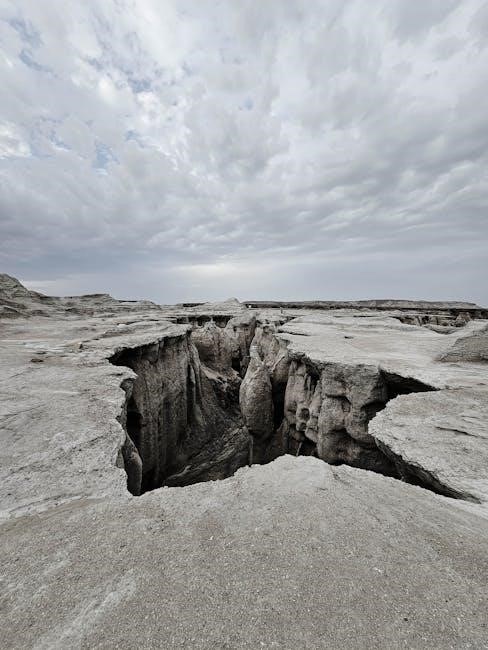
Plate tectonics worksheets‚ often in PDF format‚ are valuable educational tools exploring Earth’s dynamic outer layer and its shifting pieces.
These resources‚ like those found on Course Hero and in virtual learning modules‚ aid comprehension of continental drift and related geological processes.
They are designed to reinforce learning about the mechanisms driving Earth’s geological features‚ aligning with standards like South Carolina’s 5-3.2.
Purpose of Plate Tectonics Worksheets
Plate tectonics worksheets‚ frequently available as PDF downloads‚ serve a crucial role in solidifying student understanding of a complex geological theory.
Their primary purpose is to actively engage learners with the concepts of continental drift‚ plate boundaries‚ and the forces shaping our planet;
These worksheets‚ as evidenced by resources on platforms like Course Hero‚ move beyond simple memorization‚ prompting students to describe processes – such as oceanic-oceanic or continental-continental collisions – in their own words.
They encourage critical thinking by asking students to interpret data related to plate movement and analyze diagrams illustrating these dynamic interactions.
Furthermore‚ these educational tools‚ utilized in 8th-grade science virtual learning environments‚ aim to meet specific educational standards‚ like South Carolina’s standard 5-3.2‚ ensuring comprehensive coverage of tectonic concepts.
Ultimately‚ the worksheets foster a deeper appreciation for the Earth’s geological history and ongoing evolution.
Target Audience for These Worksheets
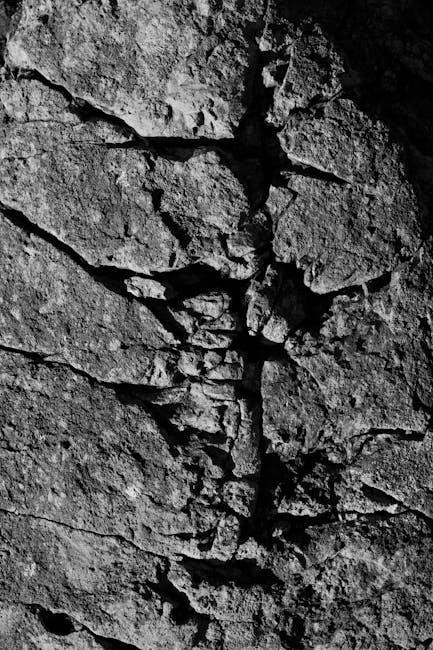
Plate tectonics worksheets‚ commonly found in PDF format‚ are primarily designed for middle school and early high school students – specifically‚ those in 8th grade and introductory Earth Science courses.
The content‚ as seen in examples from Science Virtual Learning and Course Hero‚ is tailored to learners beginning to explore the complexities of Earth’s structure and geological processes.
These resources cater to students who are developing their understanding of concepts like continental drift and the mechanisms behind plate movement.
The worksheets are also suitable for students needing reinforcement of key vocabulary and principles related to plate boundaries – convergent‚ divergent‚ and transform.
Moreover‚ they benefit students preparing for standardized tests or assessments covering Earth Science topics‚ aligning with educational standards such as South Carolina’s 5-3.2.
Essentially‚ the target audience encompasses any student seeking a more interactive and engaging way to learn about plate tectonics.
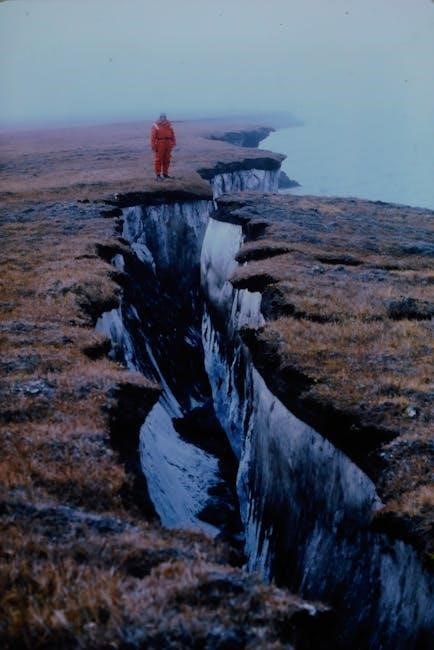
Understanding the Theory of Plate Tectonics
Plate tectonics worksheets‚ often PDFs‚ explore the idea that Earth’s outer layer consists of moving plates‚ driving geological activity and shaping continents.
Continental Drift: The Historical Context
Plate tectonics worksheets‚ frequently available as PDF documents‚ often begin by examining the historical roots of our understanding of Earth’s dynamic processes.
These resources typically trace the development of the continental drift theory‚ initially proposed by Alfred Wegener in the early 20th century.
Worksheets highlight Wegener’s observations – the apparent “fit” of continents like South America and Africa‚ similar fossil distributions across separated landmasses‚ and matching geological formations.
They emphasize that Wegener’s initial hypothesis‚ while compelling‚ lacked a convincing mechanism to explain how continents moved.
Early PDF worksheets often present this as a major question surrounding the theory‚ a challenge that wasn’t fully addressed until the development of the broader theory of plate tectonics.
The worksheets demonstrate how Wegener’s ideas‚ though initially met with skepticism‚ laid the groundwork for the revolutionary understanding of Earth’s structure and activity we have today.
They contextualize the theory within a historical scientific narrative‚ showing how observations and evolving evidence shaped our current knowledge.
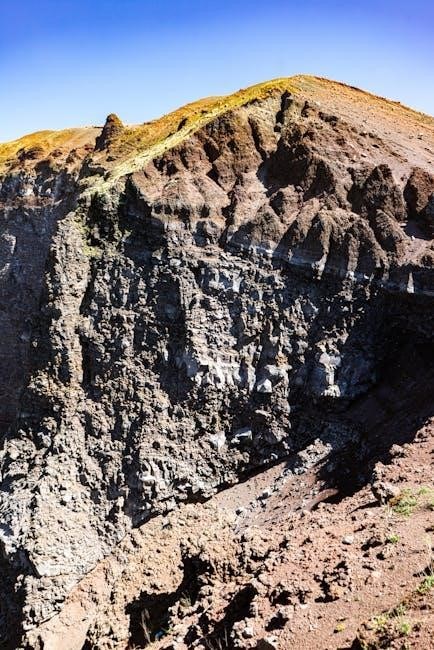
Evidence Supporting Continental Drift
Plate tectonics worksheets‚ commonly found as PDF files‚ dedicate significant space to detailing the evidence that supports the theory of continental drift.
These resources expand upon Wegener’s initial observations‚ presenting a more comprehensive picture of the supporting data.
Worksheets typically highlight the jigsaw-puzzle-like fit of continents‚ particularly the coastlines of South America and Africa‚ as a key visual indicator.
They delve into the distribution of identical fossils – like Mesosaurus – on widely separated continents‚ suggesting a past land connection.
PDF worksheets also emphasize matching rock types and geological structures‚ such as mountain ranges‚ found across different continents‚ reinforcing the idea of a unified past.
Furthermore‚ evidence from paleomagnetism‚ the study of Earth’s ancient magnetic field‚ is often included‚ demonstrating how continents have shifted positions over time.
These worksheets illustrate how a convergence of evidence‚ building upon Wegener’s initial insights‚ ultimately led to the acceptance of continental drift as a foundational concept in geology.
The Mechanism: How Plates Move
Plate tectonics worksheets‚ often available as PDF downloads‚ explain the driving forces behind plate movement‚ moving beyond simply stating that plates do move.
These resources detail how convection currents within the Earth’s mantle are the primary engine‚ creating a cyclical flow of heat and material.
Worksheets illustrate how hotter‚ less dense material rises‚ spreads laterally beneath the lithosphere‚ and then cools and sinks‚ dragging the plates along with it.
PDF versions frequently include diagrams depicting mantle convection cells and their relationship to plate boundaries.
Ridge push and slab pull are also explained as contributing forces; ridge push from elevated mid-ocean ridges and slab pull from the weight of subducting plates.
These worksheets clarify that plate movement isn’t a simple process‚ but a complex interplay of these forces.
They emphasize that understanding these mechanisms is crucial for comprehending the distribution of earthquakes‚ volcanoes‚ and other geological phenomena.
Types of Plate Boundaries
Plate tectonics worksheets‚ frequently in PDF form‚ categorize boundaries as convergent‚ divergent‚ or transform‚ detailing interactions.
These resources explain how each type creates unique geological features and events‚ aiding student comprehension.
Convergent Boundaries
Plate tectonics worksheets‚ often available as PDF downloads‚ dedicate significant attention to convergent boundaries‚ where plates collide.
These resources typically break down the three primary scenarios: oceanic-oceanic‚ oceanic-continental‚ and continental-continental convergence.
Worksheets illustrate how oceanic-oceanic collisions form volcanic island arcs‚ while oceanic-continental convergence results in volcanic mountain ranges and trenches.
Continental-continental collisions‚ depicted in these materials‚ create massive mountain belts like the Himalayas‚ due to immense pressure and uplift.
Students analyze diagrams showing subduction zones‚ where denser plates descend beneath others‚ triggering volcanic activity and earthquakes.
Questions on these worksheets often ask students to describe the geological features formed at each type of convergent boundary and explain the processes involved.
They reinforce understanding of how these collisions reshape Earth’s surface and contribute to seismic and volcanic hazards‚ using visual aids and descriptive tasks.
The PDF format allows for easy distribution and completion of these crucial learning exercises.
Oceanic-Oceanic Convergence
Plate tectonics worksheets‚ frequently in PDF format‚ detail oceanic-oceanic convergence as a key process shaping Earth’s surface.
These resources illustrate how‚ when two oceanic plates collide‚ the older‚ denser plate subducts beneath the younger‚ less dense one.
Worksheets emphasize the formation of volcanic island arcs – chains of volcanoes – as the subducting plate melts and magma rises.
Students analyze diagrams depicting the subduction zone‚ identifying the trench‚ the volcanic arc‚ and the associated earthquake activity.
Questions often require students to explain the role of density in determining which plate subducts and to describe the volcanic processes involved.
These PDF worksheets commonly feature examples like the Mariana Islands and the Aleutian Islands‚ showcasing real-world applications.
They reinforce understanding of how this convergence creates deep-sea trenches‚ the deepest parts of the ocean‚ and contributes to regional seismic activity.
The exercises help students visualize and comprehend the complex geological events occurring at these underwater collision zones.
Oceanic-Continental Convergence
Plate tectonics worksheets‚ often available as PDF downloads‚ thoroughly explain oceanic-continental convergence‚ a significant geological process.
These resources illustrate how denser oceanic crust collides with‚ and subducts beneath‚ less dense continental crust.
Worksheets emphasize the formation of volcanic mountain ranges on the continental plate‚ created by rising magma from the subducting oceanic plate.
Students analyze diagrams identifying features like the oceanic trench‚ the volcanic arc‚ and the zone of intense earthquake activity.
Questions commonly ask students to explain why oceanic crust subducts and to describe the resulting volcanic and seismic phenomena.
Examples like the Andes Mountains‚ formed by the subduction of the Nazca Plate under the South American Plate‚ are frequently used.
These PDF materials reinforce understanding of how this convergence leads to mountain building‚ volcanism‚ and frequent earthquakes.
Exercises help students visualize the process and comprehend the dynamic interaction between these two types of crust.
Continental-Continental Convergence
Plate tectonics worksheets‚ frequently distributed as PDF documents‚ detail the dramatic consequences of continental-continental convergence.
These resources explain that when two continental plates collide‚ neither readily subducts due to their similar‚ low densities.
Instead‚ the immense pressure results in the folding and faulting of the crust‚ leading to the formation of massive mountain ranges.
Worksheets often feature diagrams illustrating the collision zone and the uplift of the crust‚ creating towering peaks and plateaus.
Students are prompted to explain why subduction doesn’t occur and to describe the intense deformation of the continental crust.
The Himalayas‚ formed by the collision of the Indian and Eurasian plates‚ serve as a prime example explored in these materials.
PDF exercises reinforce understanding of the powerful forces involved and the resulting geological features.
Questions assess comprehension of the process and its impact on regional landscapes‚ emphasizing the scale of tectonic forces.
Divergent Boundaries
Plate tectonics worksheets‚ commonly available as PDF files‚ dedicate significant attention to divergent boundaries‚ where plates move apart.
These resources illustrate how magma rises from the mantle to fill the gap‚ creating new crustal material through volcanic activity.
Mid-ocean ridges‚ like the Mid-Atlantic Ridge‚ are frequently highlighted as prime examples of divergent boundaries in oceanic crust.
Worksheets often include diagrams showing the upwelling of magma‚ seafloor spreading‚ and the formation of underwater mountain ranges.
Students are tasked with explaining the process of seafloor spreading and identifying the geological features associated with these boundaries.
Continental rifting‚ such as the East African Rift Valley‚ is also explored‚ demonstrating divergence on land.
PDF exercises emphasize the constructive nature of these boundaries‚ where new land is created rather than destroyed.
Questions assess understanding of the relationship between plate movement‚ magma upwelling‚ and the formation of new crustal features.
Transform Boundaries
Plate tectonics worksheets‚ often distributed as PDF documents‚ thoroughly cover transform boundaries‚ where plates slide horizontally past each other.
These resources emphasize that crust is neither created nor destroyed at these boundaries‚ but rather grinds along‚ causing significant friction.
The San Andreas Fault in California serves as a key example‚ frequently depicted in diagrams and maps within the worksheets.
Students are prompted to analyze the stresses built up along these faults and the resulting release of energy in the form of earthquakes.
PDF exercises often include questions about the types of geological features associated with transform boundaries‚ like fault lines and offset streams.
Worksheets may present scenarios requiring students to predict the impact of plate movement along a transform boundary.
The concept of strike-slip motion is explained‚ clarifying the horizontal nature of the movement.
Analyzing maps showing fault lines and earthquake epicenters is a common task‚ reinforcing understanding of these dynamic zones.

Features Associated with Plate Boundaries
Plate tectonics worksheets‚ often in PDF form‚ detail how volcanoes‚ earthquakes‚ and mountains correlate with plate boundary types.
These resources illustrate the geological consequences of plate interactions‚ enhancing comprehension of Earth’s dynamic processes.
Volcanoes and Plate Tectonics
Plate tectonics worksheets‚ frequently available as PDF downloads‚ extensively cover the strong relationship between volcanic activity and plate boundaries.
These educational materials demonstrate that the vast majority of volcanoes are located near these boundaries‚ specifically at convergent and divergent zones.
At convergent boundaries‚ particularly those involving oceanic-continental or oceanic-oceanic convergence‚ subduction occurs‚ introducing water into the mantle.
This lowers the melting point‚ generating magma that rises to form volcanic arcs‚ like those found in the Andes or Japan‚ as illustrated in worksheet diagrams.
Divergent boundaries‚ such as mid-ocean ridges‚ also host volcanic activity‚ but it’s generally less explosive due to the magma’s composition.
Worksheets often include questions asking students to identify volcanic locations on maps and explain the underlying plate tectonic processes.
They may also require students to differentiate between the types of volcanoes formed at different boundary settings‚ reinforcing understanding of magma generation and eruption styles.
Analyzing these worksheets helps students connect theoretical concepts with real-world geological phenomena.
Earthquakes and Plate Tectonics
Plate tectonics worksheets‚ commonly found in PDF format‚ emphasize the fundamental link between earthquakes and the movement of Earth’s tectonic plates.
These resources illustrate that earthquakes are primarily caused by the sudden release of energy when rocks fracture along faults‚ often located at plate boundaries.
Convergent boundaries‚ where plates collide‚ experience the most powerful earthquakes due to the immense pressure and friction involved in subduction or collision.
Divergent boundaries generate generally weaker‚ but more frequent‚ earthquakes as plates pull apart and magma rises.
Transform boundaries‚ like the San Andreas Fault‚ are characterized by strike-slip motion‚ resulting in shallow-focus‚ moderate to strong earthquakes.
Worksheets frequently present maps showing earthquake epicenters and ask students to correlate these locations with plate boundaries.
They may also include questions about seismic waves‚ fault types‚ and the measurement of earthquake magnitude using scales like the Richter scale.
Analyzing these materials enhances understanding of seismic activity and its connection to plate tectonics.
Mountain Formation and Plate Tectonics
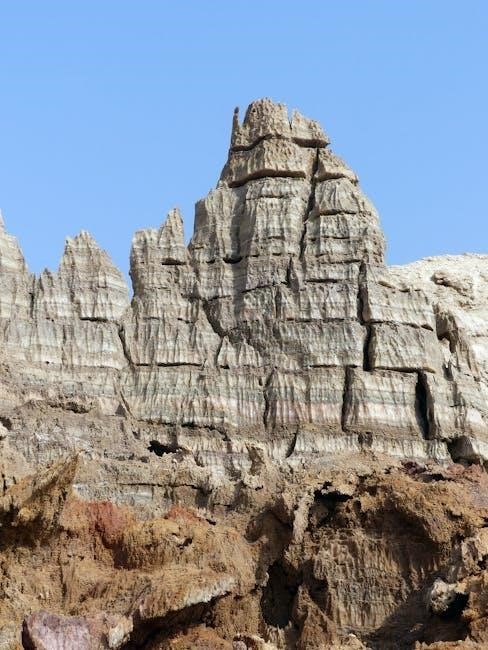
Plate tectonics worksheets‚ often available as PDF downloads‚ clearly demonstrate the crucial role plate interactions play in mountain building processes.
These educational tools highlight that mountains are not random features‚ but rather direct results of forces generated by moving tectonic plates.
Continental-continental convergence is a primary driver‚ exemplified by the Himalayas formed from the collision of the Indian and Eurasian plates.
Oceanic-continental convergence also creates mountains‚ as seen in the Andes‚ where the Nazca Plate subducts under the South American Plate.
Worksheets often feature diagrams illustrating folding‚ faulting‚ and uplift – the key mechanisms involved in mountain formation.
Students are frequently asked to identify mountain ranges associated with specific plate boundaries on maps.
They may also analyze cross-sections showing how layers of rock are deformed during collisions.
These exercises reinforce the understanding that mountain ranges are dynamic landforms shaped by long-term plate tectonic activity.
Working with Plate Tectonics Worksheets
Plate tectonics worksheets‚ frequently in PDF format‚ require students to analyze diagrams‚ interpret data‚ and answer questions about plate movement and boundaries.
Common Questions on Worksheets
Plate tectonics worksheets‚ often delivered as PDF documents‚ commonly pose questions designed to assess understanding of core concepts. A frequent inquiry asks students to articulate the theory of plate tectonics in their own words‚ demanding a synthesis of learned information.
Worksheets frequently explore collision scenarios: “Describe what happens when two plates carrying oceanic crust collide‚” or “Describe what happens when two plates carrying continental crust collide.” These questions test comprehension of convergent boundary processes and resulting geological formations.
Another common theme centers on the driving forces behind plate movement. Students might be asked to explain the mechanism powering these shifts‚ or to identify evidence supporting the theory of continental drift. Analyzing the impact of plate interactions on phenomena like volcanoes and earthquakes is also prevalent.
Furthermore‚ worksheets often include questions requiring students to differentiate between the three main types of plate boundaries – convergent‚ divergent‚ and transform – and to provide examples of each.
Analyzing Diagrams and Maps
Plate tectonics worksheets‚ frequently in PDF format‚ heavily utilize diagrams and maps to enhance understanding. Students are often tasked with interpreting visual representations of plate boundaries – convergent‚ divergent‚ and transform – identifying the direction of plate movement indicated by arrows.
A common exercise involves analyzing maps displaying earthquake epicenters and volcanic activity‚ correlating these patterns with plate boundaries. Worksheets may ask students to label different tectonic plates on world maps‚ demonstrating geographical knowledge.
Diagrams illustrating subduction zones‚ mid-ocean ridges‚ and rift valleys require students to identify key features and explain the geological processes occurring within them. Interpreting cross-sections of Earth’s layers is also a frequent task.
Students may be asked to predict the geological consequences of plate interactions based on diagrammatic representations‚ fostering analytical skills and reinforcing the link between visual data and theoretical concepts.
Interpreting Data Related to Plate Movement
Plate tectonics worksheets‚ often provided as PDF documents‚ challenge students to analyze data revealing plate movement. This includes interpreting rates of plate motion‚ typically measured in centimeters per year‚ and understanding the implications of these speeds.
Worksheets may present data on the age of oceanic crust‚ requiring students to correlate age with distance from mid-ocean ridges‚ demonstrating an understanding of seafloor spreading; Paleomagnetic data‚ showing shifts in Earth’s magnetic field‚ is also frequently used.
Students might analyze data tables detailing earthquake magnitudes and depths‚ relating these to specific plate boundaries and the types of faults present. GPS data showing current plate velocities can also be included.
Interpreting this data fosters critical thinking‚ allowing students to draw conclusions about the dynamic nature of Earth’s lithosphere and the forces driving plate tectonics.
Leave a Reply