
Product Overview
Brother MFC-L2710DW is a compact, fast monochrome laser printer offering 30 ppm, 2500×2500 dpi, duplex, and wireless connectivity․ It supports mobile printing, scanning, and faxing, and integrates with Brother’s free CreativeCenter for templates and driver downloads․ Ideal for small offices․ Supports AirPrint․ 3․
Setup and Installation
Begin by unpacking the Brother MFC‑L2710DW from its packaging․ Carefully remove all protective films from the printer, the power cable, and the included USB cable․ Connect the power cord to the rear power port and plug the other end into a grounded outlet․ Allow the unit to warm up; the front display will light up and the status LEDs will indicate readiness․
Next, decide on the connection method․ For a wired setup, attach the USB cable to the printer’s USB port and the other end to a computer․ For wireless operation, press the Menu button on the control panel, navigate to Network → Wireless Setup Wizard, and follow the on‑screen prompts to join your Wi‑Fi network․ The printer will display the network name and confirm a successful link․
Once the physical connection is established, perform a quick test print․ Use the printer’s control panel to select Print Test Page or send a simple document from a computer․ Verify that the output is clear, the paper feeds correctly, and the duplex feature (if selected) prints on both sides․ If the test page appears as expected, the setup is complete and the device is ready for everyday use․
Printer Operation
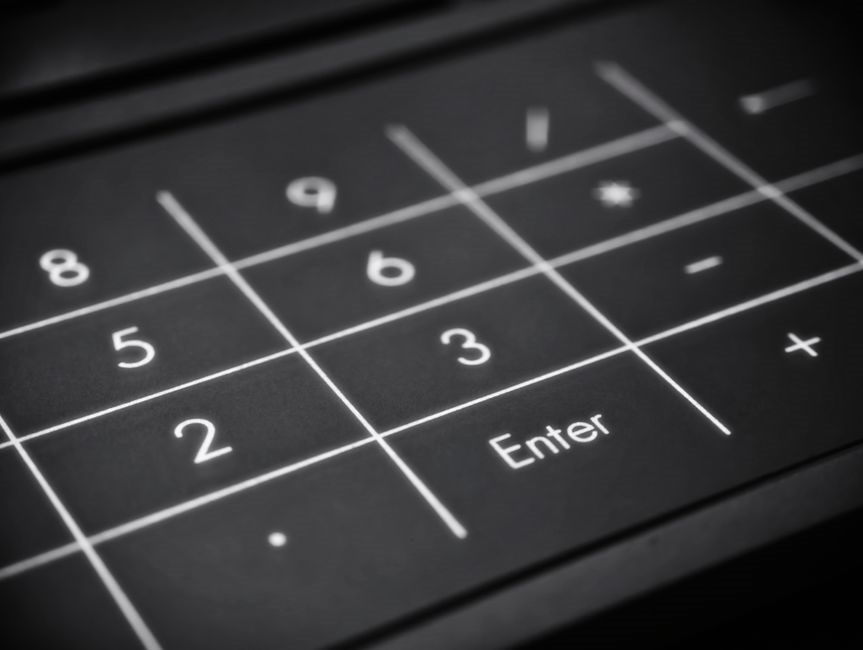
To operate the Brother MFC‑L2710DW, press Menu on the control panel to open the main menu․ Select Print to send a document from a computer or the printer’s memory․ The unit works with USB, Wi‑Fi, or Ethernet․ For wireless printing, tap Wireless, choose Wi‑Fi or Wi‑Fi Direct, and follow prompts to join your network․ Once connected, open the file, choose the MFC‑L2710DW, and click Print․ The printer queues the job and shows status on the front panel․ Press Status to view pages printed, toner level, and errors․ Enable Duplex in the print dialog or press the Duplex button to print on both sides․ For high‑volume work, use Print Queue to manage jobs, pause or cancel, and set priority․ The Control Panel lets you adjust print quality, paper size, and orientation․ Advanced settings are accessed via Advanced menu, where you can configure DPI, color management, and network options․ The printer also supports mobile printing via AirPrint, Google Cloud Print, or Brother iPrint&Scan app; install the app, connect to the same network, and select the printer․ If a jam occurs, press Stop, open the rear cover, clear the paper, and close the cover․ The printer resumes automatically․ Routine maintenance is performed from Maintenance menu, where you can check toner levels, replace the cartridge, and run a printhead cleaning․ The Print Preview feature lets you review documents before printing, reducing waste․ The MFC‑L2710DW’s compact design makes it ideal for small office use, ensuring reliable printing for everyday tasks․ It also supports cloud storage for easy file access․ All features are accessible via the intuitive control panel․ Now․ The device also offers energy‑saving modes!!
Scanning Features
The Brother MFC‑L2710DW delivers a versatile scanning experience that balances speed, quality, and convenience․ Its flatbed scanner supports resolutions from 200 dpi to 1200 dpi, while the automatic document feeder (ADF) can handle up to 50 pages per scan, making multi‑page documents quick to digitize․ Scanning can be initiated directly from the control panel by selecting Scan, then choosing the target device: USB, Wi‑Fi, Wi‑Fi Direct, or Network․ The device also supports scanning to e‑mail, cloud services such as Google Drive, OneDrive, and Dropbox, and local storage on a USB flash drive․ Users can set scan presets for common file types—PDF, JPEG, TIFF, and PNG—using the Preset menu, and can customize settings such as color mode, resolution, and file size․ The scanner’s duplex capability allows scanning both sides of a page in a single pass․ The Scan to PC feature works with the Brother iPrint&Scan app, enabling mobile scanning from smartphones and tablets․ The scanner’s built‑in OCR (Optical Character Recognition) can convert scanned documents into editable text, which is especially useful for archiving and editing․ The device’s firmware supports automatic document cleanup, such as removing background noise and correcting skew, ensuring crisp output․ The scanning interface is fully accessible, featuring large icons and a simple menu structure․ The MFC‑L2710DW’s scanning speed is up to 30 pages per minute for single‑side scans and 15 pages per minute for duplex, providing efficient workflow for busy environments․ The scanner’s compatibility with Windows, macOS, and Linux is maintained through downloadable drivers and the free CreativeCenter software, which offers additional templates and customization options․ All scanning functions are fully integrated into the device’s control panel, allowing users to quickly switch between printing, scanning, and faxing without external software․ The scanner’s energy‑saving mode automatically powers down the scanner after a period of inactivity, extending the device’s lifespan․ The MFC‑L2710DW’s scanning features are designed to deliver high quality, speed, and convenience for everyday use, making it a reliable choice for small offices and home users alike․ The scanner also supports batch scanning and automatic file naming based on date and time stamps, ensuring organized digital archives․ Finally, the device’s compatibility with cloud printing services allows users to scan directly to cloud storage, simplifying collaboration and remote access․ The scanner’s user interface includes a backlit display that shows scan progress and status, and the device’s firmware can be updated via the web interface to add new features or improve performance․ Reliable performance is guaranteed by durable design of device;
Fax Features
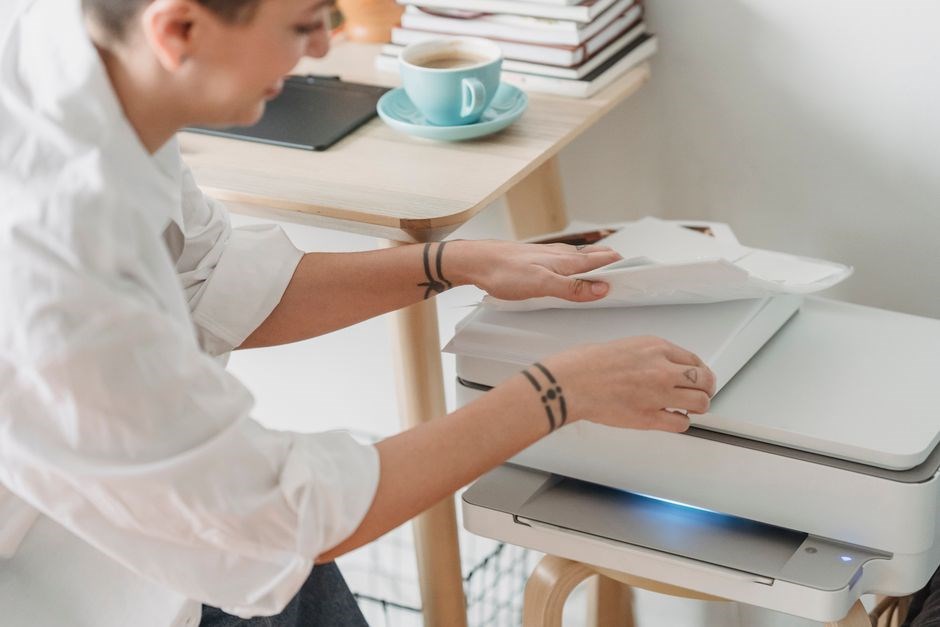
The Brother MFC‑L2710DW incorporates a robust fax system that supports both incoming and outgoing transmissions with reliability and ease․ Users can send faxes directly from the device’s control panel by selecting Fax, entering the recipient’s number, and choosing the document source: the flatbed scanner, the ADF, or a USB drive․ Incoming faxes are automatically routed to the internal fax memory, where they can be viewed on the LCD, printed, or forwarded to a network folder․ The device supports faxing to and from standard telephone lines, as well as to VoIP services via the built‑in VoIP adapter․ Fax quality is maintained at 300 dpi, ensuring clear text and images․ The MFC‑L2710DW’s fax speed is up to 30 pages per minute, and it can handle multi‑page documents with automatic duplex scanning and printing․ Users can set fax preferences such as resolution, color mode, and compression level to balance quality and file size․ The fax memory can store up to 1000 pages, and the device supports automatic deletion of old faxes to free space․ The fax interface includes a status LED that indicates transmission progress, and the LCD displays detailed error codes for troubleshooting․ The device’s firmware can be updated via the web interface to add new features or improve compatibility․ The MFC‑L2710DW also supports faxing via the Brother iPrint&Scan app, allowing mobile users to send faxes from smartphones or tablets․ The fax feature is fully integrated with the device’s security settings, enabling password protection for incoming faxes and secure transmission over the network․ The fax system is designed for small office environments, providing a single‑device solution that eliminates the need for a separate fax machine․ The device’s power‑saving mode automatically turns off the fax modem after a period of inactivity, conserving energy․ The fax feature also supports faxing to email, converting received faxes into PDF files that can be emailed directly from the device․ The MFC‑L2710DW’s fax capabilities are complemented by the ability to schedule fax transmissions, ensuring that important documents are sent at the desired time․ The device’s user interface is intuitive, with clear menu options for setting up fax numbers, managing fax memory, and monitoring transmission status․ The fax log records every transmission with timestamps, error codes, and page counts, allowing administrators to audit usage and troubleshoot issues efficiently․ The fax interface can be customized with a user‑defined menu, allowing quick access to frequently used fax numbers and templates․ The MFC‑L2710DW’s fax memory can be cleared manually or set to auto‑clear after a specified retention period, keeping the device’s storage organized․ Finally, the device’s support for faxing to email means that received faxes can be automatically forwarded to a specified mailbox, eliminating the need for manual retrieval and printing․ This feature streamlines document workflows and reduces paper usage in the office environment․ All fax operations are logged for audit be exported․ The device’s firmware supports automatic retries for failed faxes, improving reliability in unstable line conditions․ and logs errors audit now․

Maintenance and Consumables
The Brother MFC‑L2710DW demands regular care to keep print quality high and extend its life․ Replace the LC‑120 toner cartridge when the indicator lights or when page yield falls below 500 pages․ Use only Brother‑approved cartridges to avoid damage․ The integrated drum unit (DR‑120) should be swapped every 12,500 pages; a single cartridge change replaces both toner and drum․ Clean the duplexer and paper feed rollers monthly with a soft, lint‑free cloth; avoid abrasive materials that could scratch the rollers․ Inspect the fuser unit (FU‑120) after 50,000 pages or if streaks appear; replace it when worn․ Clean the flatbed glass with a microfiber cloth and 70% isopropyl alcohol; never use harsh chemicals․ The ADF rollers are cleaned with a dry cloth each month․ Keep the unit in a dry, dust‑free area and use the supplied dust cover when idle․ Firmware updates via the web interface often include improved maintenance routines․ The device supports HP 24A or Brother 24A for standard A4; heavier stock requires the 30A range․ Each tray holds up to 250 sheets; avoid overfilling to prevent jams․ Replace the waste toner container (WC‑120) when it reaches 10% capacity; dispose of it per local e‑waste regulations․ The maintenance menu shows warning icons for toner, drum, fuser, and ADF; address them promptly to avoid print defects․ Schedule a full system check every 30 days using the built‑in diagnostics; this verifies all components and alerts you to impending failures․ Proper maintenance reduces downtime, keeps output consistent, and lowers the total cost of ownership․
Consumables such as the LC‑120 toner come in 500‑page and 1000‑page variants; choose based on volume․ The first cartridge is a 1‑year warranty toner; after initial use, replace it with a standard cartridge․ For the ADF, a dedicated roller kit (AR‑120) can be purchased to replace worn rollers, extending ADF life․ The waste toner container holds up to 10 % of the cartridge volume; replace it with a new WC‑120 when full․ Keep spare cartridges and consumables in a cool, dry place to prevent moisture absorption․ The MFC‑L2710DW’s energy‑saving mode powers down the fuser after 30 minutes of inactivity, conserving energy and reducing fuser wear․ When performing maintenance, unplug the unit and wait 60 seconds before opening the front cover to avoid electrical shock․ Follow safety instructions for handling toner dust and cleaning chemicals․ Adhering to these guidelines ensures optimal print quality and extends the device’s lifespan․
Troubleshooting Common Issues
When the Brother MFC‑L2710DW displays a paper‑jam icon, first check the input tray and ADF for misaligned or stuck sheets; Remove any foreign objects, then gently pull the jammed paper from the rear, not the front, to avoid tearing․ If the toner‑low warning appears, replace the LC‑120 cartridge with a fresh one; ensure the cartridge is fully seated before powering on․ A fuser error (error code 0x0001) usually indicates a worn fuser unit; replace the FU‑120 after 50,000 pages or when streaks appear on printed pages․ Wireless connectivity problems can be resolved by rebooting the router, ensuring the printer’s firmware is up‑to‑date, and re‑entering the Wi‑Fi password in the printer’s control panel․ For “print queue stuck” issues, open the printer queue on the host computer, cancel all jobs, and restart the print spooler service․ If the printer shows a “paper size mismatch” error, confirm that the selected paper size in the driver matches the tray’s setting․ A “no paper” error after a tray change often means the tray is not fully inserted; press the tray latch until the indicator light turns green․ For fax errors, verify the correct fax number, ensure the line is active, and check the fax settings in the control panel․ If the printer displays “error 0x0002” (paper path error), clean the rollers with a lint‑free cloth and check for debris․ Finally, if the device repeatedly restarts, power‑cycle the unit, unplug for 60 seconds, and reconnect․ For persistent problems, consult the online support portal or contact Brother customer service for advanced diagnostics․ For further assistance, visit Brother’s official support site or call the customer service hotline for immediate help for help․
Software and Drivers Installation
To install the Brother MFC‑L2710DW drivers, visit the official Brother Europe site and download the “Brother MFC‑L2710DW Driver and Software” package․ Extract the ZIP to a folder, run setup․exe, and follow the wizard: choose language, accept the license, and select typical or custom installation․ The typical install adds all components to Program Files; custom lets you pick features like fax or scanner drivers․ The installer also creates a desktop shortcut for the Control Center and registers the printer with Windows services․ and choose the desired language!!
During installation, the wizard detects the printer via USB or network․ For Wi‑Fi, click “Add a new device”, choose “Wireless network (WLAN)”, enter SSID and password, then connect․ The installer sets the IP address and adds the printer to Windows․ If the printer is not detected, ensure the USB cable is connected or the Wi‑Fi network is active․ After adding, the printer appears in Windows Devices and can be set as default․ For a static IP, set it in the printer’s control panel before adding the device․
After installation, restart the PC․ Open a document, choose “Print”, and select the Brother MFC‑L2710DW․ Test a print job․ Launch CreativeCenter to use fax, scan, and copy․ If the device isn’t found, run the Device Manager in CreativeCenter and click “Rescan Devices”․ Verify the firmware version in the printer’s control panel and update via Brother’s website if needed․ In Printer Properties, adjust print quality and duplex settings for optimal output․ Keep drivers updated by downloading the latest package from Brother’s support site monthly to ensure compatibility with Windows 10/11 and security patches․

Connectivity Options
Wireless connectivity is available through an optional Wi‑Fi module that can be added via the USB port․ Once installed, the module creates a wireless network interface that can be configured through the printer’s front‑panel LCD or the web interface․ The Wi‑Fi setup wizard guides the user through SSID selection, password entry, and security protocol (WPA/WPA2)․ After configuration, the printer can be added to Windows or macOS via the standard “Add Printer” dialog or AirPrint for Apple devices․ The wireless connection supports both 802․11b/g/n standards and can operate on 2․4 GHz bands․
Additionally, the MFC‑L2710DW supports mobile printing through Brother’s iPrint&Scan,connecting to smartphones․ The app allows users to print, scan, and fax documents directly from mobile devices․ For advanced users, the printer can be integrated into a print server or managed via SNMP for monitoring and queue management․ All connectivity options are designed to provide flexibility, reliability, and ease of use in small‑to‑medium office settings․
Print Settings and Preferences
The Brother MFC‑L2710DW’s print‑control interface is accessible through the front‑panel LCD, the bundled driver, or the web interface․ Users can select from Draft, Normal, and High quality modes, each balancing speed (30 ppm) with resolution (1200×1200 dpi for Draft, 2500×2500 dpi for Normal and High)․ The driver also offers a “Print as Image” option for PDFs that contain complex layouts, ensuring pixel‑perfect reproduction․
Paper handling is fully configurable․ The printer supports A4, Letter, legal, and custom sizes up to 8․5×11 in․ Users can choose the rear tray, front tray, or manual feed slot as the source; the driver automatically detects the selected source․ Duplex printing is enabled by toggling “Print on Both Sides,” which uses the rear tray for the second side․ Users may also choose “Flip on Long Edge” or “Flip on Short Edge” to control the orientation of the second side․ The duplex option is available for all supported paper types, including envelopes and cardstock․
Page scaling and margins provide fine control over the printable area․ The “Fit to Page” option automatically scales a document to the selected paper size, while “Scale” allows a custom percentage․ Margins can be set to Normal, Narrow, or Custom․ The driver also offers “Print Quality” presets for Photo, Text, and Graphics, which adjust the rasterization algorithm for optimal output․
Advanced users can save custom profiles in the driver’s “Print Settings” dialog, which includes options such as Print Quality, Paper Source, Duplex, Scaling, and Margins․ These profiles can be applied automatically to future jobs․ The web interface mirrors these settings, enabling administrators to enforce default print preferences across a network․ The MFC‑L2710DW also supports “Print to File,” allowing users to generate a PDF or PostScript file directly from the printer without a computer․
Overall, the print‑settings ecosystem of the MFC‑L2710DW is designed to provide flexibility, speed, and print‑quality control for a wide range of document types, from simple text to high‑resolution graphics․

Duplex Printing Capabilities
The Brother MFC‑L2710DW offers fully automatic duplex printing․ Select “Print on Both Sides” in the driver or front panel to enable the built‑in duplex unit, which flips the sheet and provides correct orientation․ Users choose “Flip on Long Edge” or “Flip on Short Edge” to control the second side’s placement, ensuring fast turnaround․
Duplex works with all supported paper types—plain, matte, glossy, cardstock, and envelopes up to 3․5 in․ The rear tray holds 250 sheets, the front 100, giving ample capacity for high‑volume jobs․ Firmware monitors paper feed to prevent jams; if a jam occurs, the printer pauses duplex printing until cleared․
Duplex printing cuts paper waste by 50 % and keeps the 30 pages‑per‑minute speed with minimal overhead․ Users can set duplex as the default in the driver, and administrators can enforce it via the web interface, making it mandatory for all local network users․ This feature is especially useful for legal documents and reports where double‑sided printing is standard․
Additionally, the MFC‑L2710DW supports “Print as Image” for PDFs and complex graphics, which can be combined with duplex mode for high‑quality, double‑sided documents․ The firmware includes a “Duplex Preview” feature in the driver, letting users view a simulated two‑page layout before printing, helping avoid misaligned pages․
Overall, the duplex capabilities of the Brother MFC‑L2710DW provide a reliable, efficient, and user‑friendly solution for offices needing double‑sided documents․ Automatic flipping, edge‑flip options, and robust paper handling make it a versatile choice for small to medium‑sized businesses, ensuring efficient workflow․

Network Setup and Configuration
The printer’s web interface offers a “Print Server” feature that lets you set up shared printers on a network․ The device also supports IPv6․ For mobile users, the Brother iPrint&Scan app provides on‑the‑go printing and scanning from iOS and Android devices․ If you encounter connectivity issues, the built‑in diagnostic tool can test network status and provide error codes․ Regularly backing up the printer’s configuration through the web interface ensures quick recovery after firmware updates or power outages․ The printer also supports AirPrint for seamless iOS printing․ Printing can be done via the Brother iPrint and Scan app!?
User Interface and Navigation
The Brother MFC‑L2710DW features a 2․7‑inch color LCD that shows status, menu options, and printer info․ Navigation uses four buttons: ▲ (up), ▼ (down), ▶ (select), ◀ (back)․ The menu has categories like Print, Scan, Fax, Setup, Maintenance․ Users can adjust paper source, print quality, duplex mode, and network settings․ The display also shows error messages and toner levels, accessible by pressing ▲ until the Device Status screen appears․
- Print – Set copies, duplex, and quality․
- Scan – Choose destination, resolution, and format․
- Fax – Configure settings and view history․
- Setup – Adjust date/time, language, Wi‑Fi, and device name․
- Maintenance – Reset, clean drum, replace toner․
For advanced users, the Advanced submenu provides access to the printer’s firmware version, network diagnostics, and the ability to reset the device to factory defaults․ The interface is designed for quick navigation, with most tasks completed within two to three button presses․ The LCD also supports a “Quick Menu” that can be activated by pressing the ▶ button while the printer is idle, allowing instant access to common functions such as Print Preview and Scan to PC․ The device’s intuitive layout ensures that both novice and experienced users can operate the printer efficiently․
Users can also customize the LCD display by selecting themesand adjusting brightness very ensuring visibility in various lighting conditions․
Safety and Compliance Information
Safety and compliance are integral to the Brother MFC‑L2710DW․ The printer meets CE, FCC, and RoHS standards, ensuring electromagnetic compatibility, low hazardous material content, and safe electrical operation․ It features a protective outer housing, recessed power cord, and built‑in over‑current protection that automatically shuts the unit down if a fault is detected․ The device is rated for a maximum input voltage of 100‑240 V AC, 50/60 Hz, and 15 A, and it includes a surge‑protective filter to guard against voltage spikes․ The printer’s internal fan and heat sink are protected by a thermal cutoff that stops operation if temperatures exceed safe limits․ The MFC‑L2710DW also includes short‑circuit protection relay that disconnects power in the event of a fault, preventing fire hazards․ For networked operation, the device supports WPA2‑PSK encryption and can be configured to use a VPN tunnel for secure remote printing․ Firmware is regularly updated through the Brother website, providing patches for security vulnerabilities and compliance with evolving regulations․ All consumables, including toner cartridges and drum units, are RoHS‑compliant and contain no lead, mercury, or cadmium․ The printer’s power supply unit is certified for energy efficiency, helping reduce standby power consumption․ The MFC‑L2710DW meets ENERGY STAR® guidelines for energy use, and it includes a sleep mode that activates after 10 minutes of inactivity․ In case of an emergency, the printer’s emergency stop button located on the front panel immediately cuts power to the unit․ The device also features a built‑in safety interlock that prevents operation when the cover is open․ All safety warnings and instructions are printed on the device’s front panel and are also available in the digital user guide․ Brother provides comprehensive safety documentation, including a safety data sheet (SDS) for all consumables, and a detailed compliance certificate that lists all applicable standards․ The user manual includes a troubleshooting section for safety‑related issues, and the support website offers downloadable safety updates and firmware releases․

Warranty and Support Resources
Brother MFC‑L2710DW comes with a standard two‑year limited warranty that covers manufacturing defects and parts failure․ The warranty is valid only for the original purchaser and must be registered within 30 days of purchase․ For repair or replacement, customers can use the official Brother service network․ The warranty does not cover damage caused by misuse, accidental drops, or unauthorized modifications․ All service requests are handled by Brother’s certified technicians, who use genuine replacement parts and provide a detailed service report․ The warranty period can be extended through Brother’s extended warranty program, which offers additional coverage for a fee and includes on‑site service for certain models․
Support resources are available through the Brother website․ Users can download drivers, firmware updates, and the user manual from the product page․ The “Support” section hosts a FAQ, troubleshooting guides, and a troubleshooting checklist․ For assistance, customers can contact Brother’s technical support via phone, email, or chat․ The support portal also allows users to submit service requests, track repair status, and schedule visits․ Additionally, the Brother CreativeCenter provides templates, printing tools, and a forum where users can share tips and solutions․ For users, the website offers support pages in multiple languages, and the warranty terms are adapted to comply with local regulations․ All support materials are accessible in PDF format and can be printed for offline reference․ All updates are automatically applied during the next startup now;
Leave a Reply