
Definition of Manual Control
Direct human intervention steers a system, overriding automated logic․ Operators manipulate levers, pedals, or controls to adjust outputs, ensuring responsiveness to real‑time conditions․ This hands‑on approach prioritizes situational awareness and immediate feedback․ Operators use tactile cues now

Historical Development
Manual control has evolved from simple mechanical systems to sophisticated human‑operator interfaces․ The earliest evidence comes from ancient civilizations, where artisans used levers, pulleys, and rudimentary valves to manage water flow, windmills and early engines․ In Roman engineering, sluice gates and water‑wheel governors required constant human adjustment to regulate speed and pressure․ The Industrial Revolution amplified this need, as steam engines and early turbines demanded manual throttling and valve operation to keep machinery within safe operating limits․ By the early 20th century, aviation introduced the first true pilot‑controlled aircraft, where a yoke, ailerons, and rudder pedals allowed pilots to navigate and stabilize planes manually, even as radio‑controlled autopilots were in their infancy․ The 1950s brought programmable logic controllers (PLCs), which automated repetitive tasks but still relied on operators for fault detection and manual override․ The 1980s saw the rise of supervisory control and data acquisition (SCADA) systems, yet manual intervention remained critical for safety and emergency response․ In the 1990s, human‑machine interfaces (HMIs) evolved to provide graphical displays, yet the core of manual control—direct human manipulation—persisted․ and safety and now

Key Principles of Manual Control
Manual control hinges on four core principles: direct human engagement, real‑time feedback, adaptability, and safety․ First, operators must maintain a tactile connection to the system, using joysticks, levers, or touchscreens that translate physical input into precise actuator commands․ Second, feedback loops—visual, auditory, and haptic—provide continuous status updates, enabling operators to detect anomalies before they cascade into failures․ Third, adaptability demands that control schemes accommodate changing process dynamics, allowing operators to re‑route, re‑balance, or re‑configure controls on the fly․ Fourth, safety is paramount; manual overrides must be designed to prevent accidental misuse, with interlocks, lock‑out/tag‑out procedures, and fail‑safe defaults that protect personnel and equipment․ Together, these principles ensure that manual control remains a reliable, responsive, and secure component of complex operational environments․
These guidelines are implemented through ergonomic design, clear labeling, and redundant safety interlocks․ Operators receive real‑time visual displays, audible alarms, and tactile feedback that together form a cohesive situational awareness loop․ Training simulators reinforce muscle memory, while periodic drills test response times under fault conditions․ By embedding these principles into everyday practice, operators maintain high proficiency and system resilience․ Continuous improvement sustains safety․
Types of Manual Control Systems
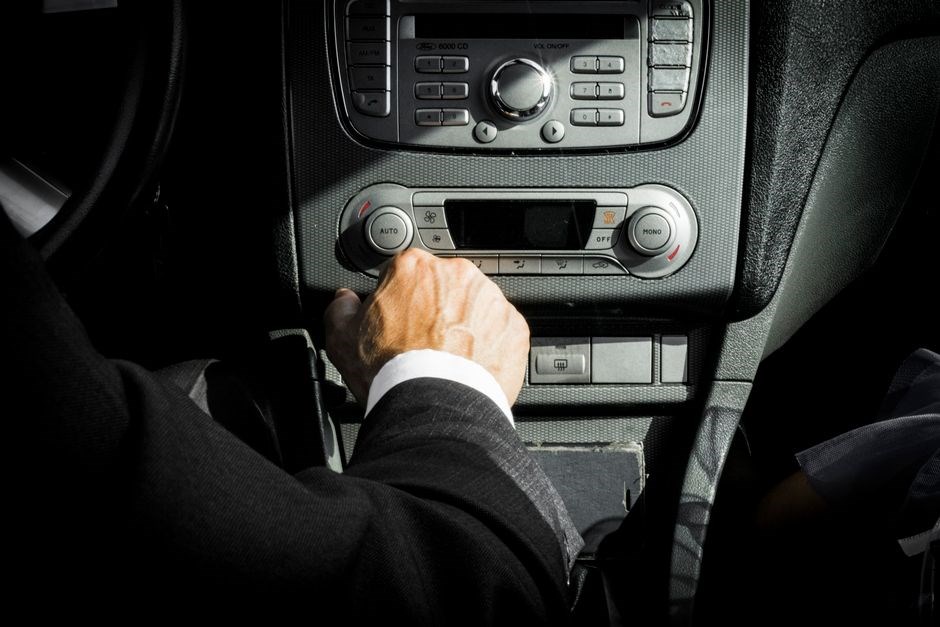
Manual control systems vary by application: direct lever and pedal interfaces, joystick‑based controls, touch‑screen panels, and mechanical linkages․ Each type offers distinct tactile feedback, precision, and suitability for specific industries․ Safety first․!
Manual Control in Industrial Machinery
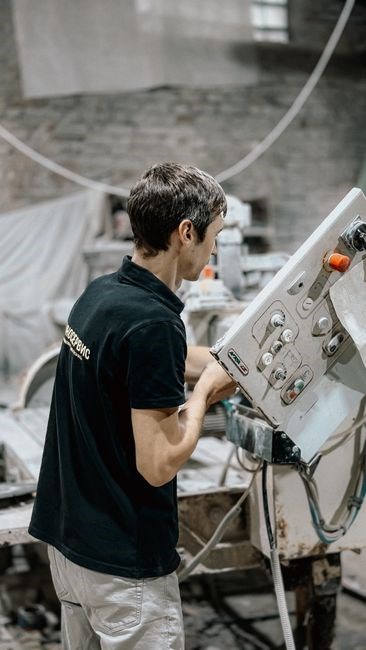
Manual control remains pivotal in heavy‑equipment operations, where operators rely on physical levers, push‑buttons, and hydraulic handles to manage complex processes․ In manufacturing plants, skilled technicians adjust conveyor speeds, torque settings, and alignment mechanisms in real time to maintain product quality and safety․ The tactile feedback from these controls allows rapid response to unexpected load changes or equipment faults, reducing downtime․ In mining and drilling, manual joysticks and throttle levers enable precise navigation of rigs, ensuring accurate positioning of drilling heads and safe handling of explosive charges․ Safety interlocks, emergency stops, and manual overrides are integral, allowing operators to halt operations instantly during hazardous conditions․ Training programs emphasize muscle memory, situational awareness, and ergonomic positioning to minimize fatigue and error rates․ Modern industrial control panels integrate touchscreens with physical controls, offering hybrid interfaces that combine the reliability of manual input with the flexibility of digital monitoring․ Despite automation trends, manual control is essential for troubleshooting, maintenance, and critical decision points where human judgment outperforms algorithmic logic․ Continuous improvement initiatives focus on enhancing control ergonomics, reducing vibration, and implementing haptic feedback to further improve operator performance and safety․ Operator continually refine techniques, ensuring efficiency and safety․
Manual Control in Aerospace
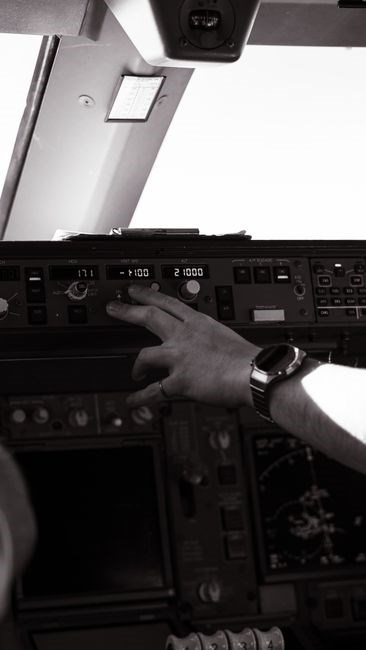
Manual flight control remains the cornerstone of aviation safety and performance․ Pilots manipulate aileron, elevator, and rudder trim tabs, throttle levers, and rudder pedals to shape aircraft attitude, speed, and trajectory․ In both fixed‑wing and rotary‑wing platforms, the tactile feedback from control yokes, sidesticks, and joystick systems provides immediate perception of aerodynamic forces, enabling rapid corrections during turbulence, wind shear, or system anomalies․ The human pilot’s ability to integrate visual cues, instrument readouts, and situational awareness allows for nuanced decision‑making that automated systems may not anticipate; Manual control is critical during engine‑out and air procedures and emergency landings․ Modern cockpits use architectures that rely on pilot input, translating manual commands into electronic signals while the pilot’s sense of control through haptic feedback․ Training simulators emphasize muscle memory, reaction time, and a “feel” for the aircraft, ensuring pilots can transition between manual and automated modes․ Regulatory frameworks mandate that all commercial and military aircraft retain manual override capabilities, underscoring the importance of human‑driven control in ensuring passenger safety․ Continuous research explores augmenting manual inputs with augmented‑reality displays and predictive assistance, yet the core principle remains: the pilot’s hands and eyes are the ultimate decision makers in the sky․
Manual Control in Process Industries
Manual control in process industries encompasses the direct manipulation of valves, pumps, mixers, and other actuators by skilled operators to regulate chemical, petrochemical, and food production flows․ Operators rely on real‑time visual displays, pressure gauges, temperature readouts, and audible alarms to adjust setpoints and maintain product quality․ In batch processes, manual intervention ensures precise timing of ingredient addition, reaction initiation, and quench operations, allowing for rapid response to deviations in reaction kinetics or contamination events․ Continuous processes benefit from manual oversight during startup, shutdown, and maintenance, where operators fine‑tune feed rates, set pressure thresholds, and monitor sensor drift․ The human element provides contextual judgment, particularly when unexpected sensor failures or process upsets occur, enabling corrective actions that automated logic may not anticipate․ Training emphasizes the development of procedural memory, situational awareness, and the ability to interpret complex data streams․ Ergonomic considerations, such as control layout and haptic feedback, are critical to reduce operator fatigue and improve accuracy․ Modern process control systems integrate manual inputs with programmable logic controllers, yet the pilot‑in‑the-loop approach remains essential for safety, compliance, and continuous improvement․ Intuition paired with precise instrumentation lets operators productiondaily meeting strict regulations․
Manual Control in Transportation
Manual control in transportation refers to the direct human operation of vehicles, aircraft, ships, and rail systems without reliance on full automation․ In road transport, drivers use steering wheels, pedals, and gear selectors to navigate traffic, adjust speed, and respond to dynamic road conditions․ Pilots maintain aircraft stability through yokes, rudders, and throttle levers, especially during phases like take‑off, landing, and manual flight in adverse weather․ Maritime operators command vessels via helm wheels and throttle controls enabling precise navigation in congested ports and during port operations and during port operations․ Rail operators manually control locomotives using throttle levers, brake controls, and signal indicators to manage train speed, coupling, and route selection․ Manual intervention is critical during emergencies, system failures, or when automated systems fail, allowing operators to override preset parameters․ Training programs emphasize situational awareness and decision‑making under stress․ Ergonomic design of controls, such as adjustable steering columns and tactile feedback on throttles, enhances operator performance and reduces fatigue․ Human factors research indicates that manual control provides flexibility and adaptability that automated systems may lack, particularly in complex or unpredictable environments․ However, reliance on manual operation introduces variability, requiring robust safety protocols and continuous skill development to mitigate risks․
Advantages of Manual Control
Manual control offers several key benefits that complement automated systems․ First, it provides immediate situational awareness, allowing operators to react instantly to unforeseen events, such as sudden equipment malfunctions or environmental changes․ Second, human operators can incorporate contextual judgment, drawing on experience and intuition to make nuanced decisions that algorithms may miss․ Third, manual intervention reduces dependency on complex software, lowering the risk of cascading failures caused by software bugs or cyber‑attacks․ Fourth, it enhances flexibility; operators can adapt controls on the fly, fine‑tune performance, and override preset parameters during critical operations․ Fifth, manual control supports training and skill retention, ensuring that personnel maintain proficiency and can step in when automation is unavailable․ Finally, it fosters accountability, as human decisions are traceable and can be reviewed for compliance and safety audits․ Together, these advantages make manual control indispensable in high‑stakes, safety‑critical environments where reliability and human judgment remain paramount․
Manual control offers flexibility and reliability․ Manual control offers flexibility and reliability․ Manual control offers flexibility and reliability․ Manual control offers flexibility and reliability․ Manual control offers flexibility and reliability․ Manual control offers flexibility and reliability․ Manual control offers flexibility and reliability․ Manual control offers flexibility and reliability․ Manual control offers flexibility and reliability․ Manual control offers flexibility and reliability․ Manual control remains vital and reliable, ensuring safety and performance across diverse operational contexts worldwide․

Limitations and Risks
Despite these challenges, many industries maintain manual control as a critical safety net, ensuring that human oversight can intervene when automated systems fail or when nuanced judgment is required, thereby preserving operational integrity and protecting personnel․ Such dual proficiency reduces downtime, enhances safety margins, and supports rapid recovery from unexpected disturbances․ In practice, operators rely on cues and real‑time feedback to fine‑tune controls, ensuring performance! Moreover, the integration of ergonomic design principles into manual control interfaces reduces operator fatigue and improves precision․ By aligning controls with natural hand movements and providing haptic feedback, operators can maintain situational awareness without excessive physical effort․ Training simulates pressure scenarios, boost decision speed and accuracy․ Ergonomic sensors monitor operator posture, adjusting controls to reduce strain․ Adaptive lighting and auditory cues enhance situational awareness, letting operators focus on critical parameters without visual clutter․ Feedback logs manual adjustments for post‑incident analysis, improvingresponses․
Human Factors and Ergonomics
Manual control demands that operators interact with physical interfaces while maintaining situational awareness․ Ergonomic design focuses on reducing cognitive and physical strain, ensuring controls fit natural hand movements and body posture․ Key factors include reachability, force requirements, tactile feedback, visual clarity, and auditory cues․ Proper seating, adjustable workstations, and anti‑fatigue mats help mitigate musculoskeletal disorders․ Cognitive load is managed through intuitive layouts, consistent symbol usage, and minimal information clutter․ Training programs emphasize muscle memory and situational judgment, while simulation environments test reaction times under stress․ Human reliability studies show that well‑designed interfaces lower error rates and improve response times․ Continuous monitoring of operator workload via physiological sensors allows real‑time adjustments, enhancing safety margins․ Ultimately, integrating human factors into manual control systems creates resilient operations that balance automation with skilled human oversight․ By integrating real‑time biometric monitoring, such as heart rate variability and eye‑tracking data, operators can receive adaptive visual cues that adjust interface density based on cognitive load, thereby preventing overload and ensuring that critical information remains salient during high‑pressure operations․ Synergy of human intuition and machine precision enhances resilience now

Training and Skill Development
Manual control proficiency hinges on systematic training that blends theoretical grounding with hands‑on practice․ Curricula typically begin with foundational concepts—feedback loops, operator‑in‑the‑loop dynamics, and human‑machine interface design—before progressing to scenario‑based drills․ Simulation environments, ranging from virtual reality (VR) to dedicated hardware rigs, provide risk‑free platforms where operators can rehearse emergency procedures, refine reaction times, and internalize control nuances․ Studies published in the Journal of Human Factors demonstrate that repeated exposure to high‑fidelity simulators reduces error rates by up to 40 % compared to traditional classroom instruction alone․
Competency assessment relies on objective metrics: response latency, deviation from target trajectories, and error frequency․ Adaptive training modules adjust difficulty in real time, ensuring that skill acquisition follows a progressive overload model․ Mentorship programs pair novice operators with seasoned experts, fostering knowledge transfer through observation and guided feedback․ Continuous professional development is encouraged via refresher courses, certification exams, and cross‑disciplinary workshops that expose operators to emerging technologies such as augmented reality overlays and haptic‑feedback controls․
Finally, organizational culture plays a pivotal role․ Encouraging a growth mindset, providing constructive debriefs after incidents, and rewarding precision foster a learning environment where operators feel empowered to refine their manual control skills․ This holistic approach ensures that human operators remain the decisive factor in complex, dynamic systems, complementing automated processes with nuanced judgment and adaptability․
Assessment tools such as eye‑tracking, force sensors, and physiological monitors provide granular insight into operator workload and decision quality․ Integrating these metrics into training dashboards allows instructors to tailor interventions, focusing on specific weaknesses—e․g․, delayed reaction to transient disturbances or excessive reliance on automated guidance․ Moreover, incorporating real‑world data streams into simulation scenarios enhances ecological validity, ensuring that operators practice under conditions that mirror operational realities․
In addition, interdisciplinary collaboration between ergonomists, cognitive scientists, and control engineers informs curriculum design․ This partnership ensures that training modules reflect the latest research on human perception, motor control, and decision‑making under uncertainty․ By embedding evidence‑based practices into the training pipeline, organizations can achieve measurable improvements in safety, efficiency, and operator satisfaction․
Integration with Automated Systems
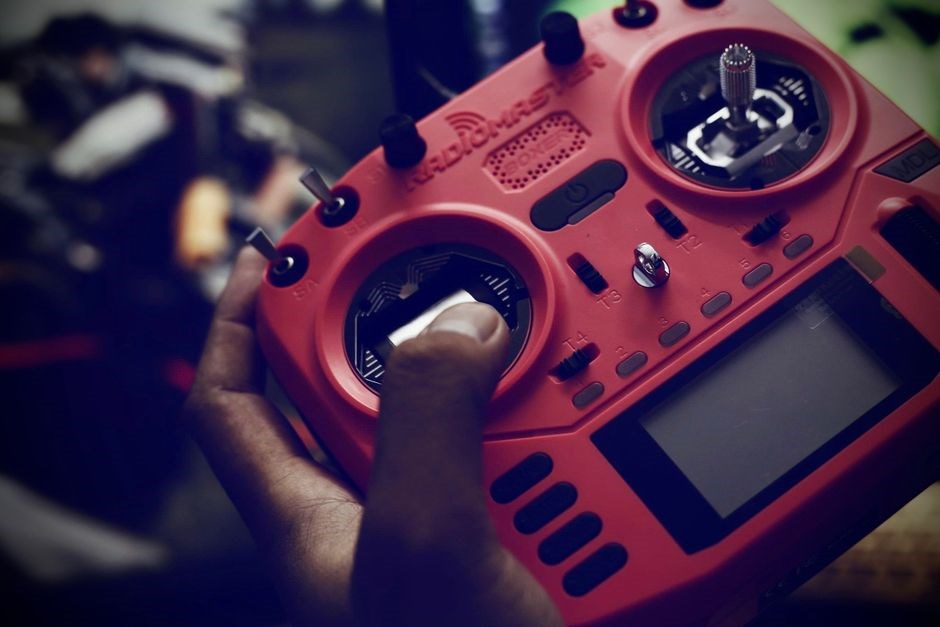
Manual control interfaces complement autonomous systems by allowing operators to intervene when automated logic fails․ Cues and telemetry keep operators aware, while algorithms manage tasks․ This partnership reduces cognitive load and improves safety․
Hybrid Control Strategies
Hybrid control strategies blend manual and automated operations to leverage strengths of both․ In practice, operators monitor automated routines and intervene when thresholds are breached or anomalies arise․ The system may switch modes automatically, maintaining safety while preserving efficiency․ Human oversight ensures contextual judgment that algorithms cannot replicate, especially in dynamic environments․ Training focuses on recognizing when to hand over control, interpreting sensor data, and executing corrective actions․ Interfaces display real‑time metrics, alerts, and suggested actions, enabling operators to make informed decisions quickly․ Adaptive algorithms learn from operator inputs, refining future automation․ This synergy reduces downtime, improves reliability, and enhances overall system resilience․
Hybrid strategies often involve layered control loops, where high‑level planners set goals while low‑level controllers execute motions․ Operators can override safety limits, but automated safety interlocks prevent catastrophic failures․ Continuous learning from operator decisions refines predictive models, closing the loop between human intuition and machine precision․
Hybrid systems blend human intuition with algorithmic speed, enabling operators to intervene during events․ Reality overlays highlight key metrics, speeding decision making․ As confidence in automation rises, routine tasks are delegated, leaving choices to humans․!! Operators stay alert everywhere․ !
Operator Interface Design
Designing an operator interface for manual control systems requires a balance between usability, situational awareness, and safety․ The interface must present critical data in a concise, legible format while allowing rapid access to control functions․ Key elements include a clear visual hierarchy, consistent iconography, and adaptive displays that shift focus based on task priority․ Human‑centered design principles dictate that controls should be ergonomically positioned to reduce fatigue and enable intuitive manipulation․ Touchscreens, haptic feedback, and voice commands can complement traditional joysticks, providing multimodal interaction and environmental constraints․ The system also supports predictive analytics․ It records manual adjustments in․
Real‑time dashboards should aggregate sensor streams, performance metrics, and fault alerts into a unified view․ Color coding, trend lines, and threshold indicators help operators detect anomalies before they propagate․ Interactive overlays provide subsystem insight․ The interface should also support customizable layouts, enabling experienced users to arrange elements for maximum efficiency․
Safety interlocks prevent accidental inputs and․ All logs kept daily

Case Studies of Manual Control Applications
In the 1970s, the Apollo 13 mission demonstrated manual control’s critical role when automated systems failed․ Flight controllers guided the crew through manual re‑entry burns, relying on real‑time telemetry and operator judgment to restore trajectory․ Similarly, the 1996 Chernobyl disaster highlighted manual intervention’s necessity; operators manually shut down reactors, mitigating further release of radioactivity․ In aviation, pilots routinely perform manual landings during engine‑out scenarios, using throttle levers and rudder pedals to maintain glide path․ The 2009 Space Shuttle Columbia accident underscored the importance of manual control during ascent, where astronauts manually adjusted attitude to compensate for unexpected plume impingement․ In maritime operations, the 2014 MV Sewol incident involved crew manually steering a ferry, but inadequate training led to loss of control, illustrating the need for robust interface design․ Industrial plants such as the 2011 Fukushima Daiichi nuclear plant relied on manual shutdown of turbines after seismic events, preventing core catastrophic damage․ In the automotive sector, autonomous vehicles faced software glitches; drivers had to take over manually, demonstrating the necessity of seamless hand‑over protocols․ Each case underscores manual control’s indispensability for safety and adaptability across domains․ In the oil and gas industry, Deepwater Horizon incident required operators to manually control blow‑out preventers, preventing further blowout․ Manual control bridges insight and machine precision!
Leave a Reply